
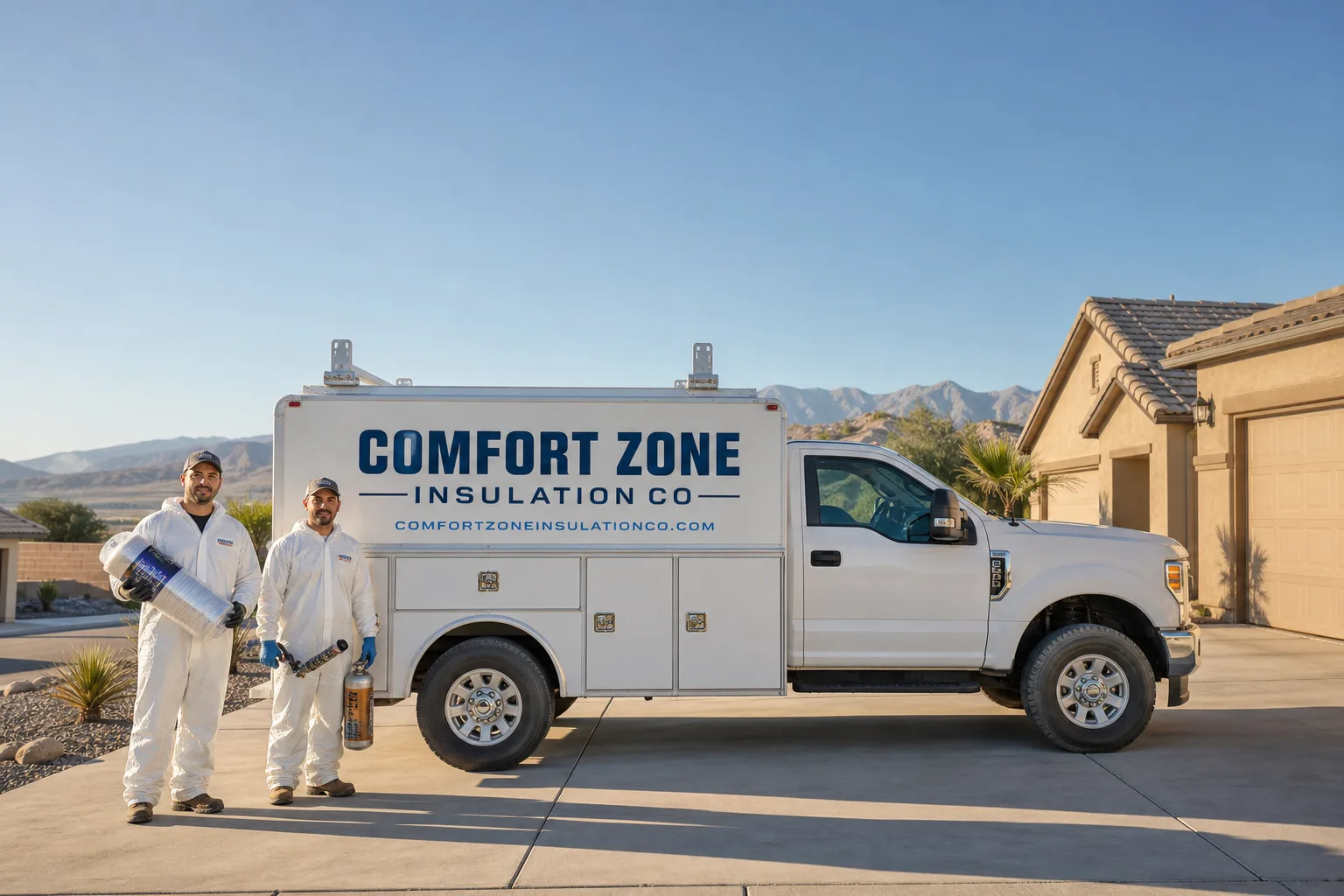
Fast, Reliable Attic Insulation Across Redondo Beach
Attic insulation in Redondo Beach has to solve a problem most insulation contractors never plan for: salt air and marine-layer damp working into attics year-round. The right job here means moisture-tolerant materials, corrosion-aware installation, and ventilation that actually moves fog-driven condensation out of the attic before it wrecks whatever you just paid to install. We handle that spec daily across 90277 and 90278. Comfort Zone Insulation Co is an insulation-only shop, we carry products from eight major manufacturers, and we’ll give you a straight answer on what your Redondo Beach attic actually needs. Call (855) 341-7856 for a free estimate.
Why Comfort Zone Insulation Co Is Redondo Beach’s Preferred Attic Insulation Company
Redondo Beach homeowners call us because we think in terms of how the house will feel, not just what product goes in. Our team has worked attics in the beach bungalows off Catalina Avenue, in the newer townhome lots in 90278, and in the hillside homes just south of Hermosa where the fog pools longer in the morning. We know which attics in this city tend to trap condensation against the roof deck and which ones have original 1950s soffits with no real intake venting. That local pattern recognition changes the recommendation. A blown-in job that works in Palos Verdes Estates may be wrong for a stucco bungalow three blocks off The Strand, and we’ll tell you why before quoting anything.
Noel Carrasco leads our crews. He’s made sure every attic job includes a hard look at how air and moisture are moving through the space before any material goes down. That’s the difference between an insulation company and a crew that fills cavities. We install insulation and nothing else, so the one call you make about your attic goes to people who think about attics all day.
Insulation Contractors in Redondo Beach
Insulation contractors in Redondo Beach have to handle a specific challenge that inland crews rarely see: fiberglass and cellulose that fail from moisture loading, not from heat. The marine layer off the Santa Monica Bay pushes fog into unvented attic spaces on the coastal side of the city year-round. That fog condenses on cool roof decking, drips into the insulation, and compresses it flat. The R-value drops while the mold risk climbs. A competent contractor in 90277 starts by looking at where the air is coming in, then specs the insulation to match. If the ventilation isn’t fixed, the new insulation fails the same way the old stuff did.
We cover the full Attic Insulation scope in Redondo Beach: blown-in for dense-pack retrofits, batts for accessible attic floors, top-ups where existing material is salvageable, full replacements where it isn’t, and baffle work so insulation doesn’t block the airflow the roof needs. The right material depends on your house, and we carry eight brands so you’re not stuck with whatever a single-product shop ordered last month.
Blown-In and Dense-Pack Retrofits
Older Redondo Beach bungalows almost never have enough attic insulation by modern standards. Blown-in cellulose or fiberglass settles into odd framing bays and around original 1950s roof geometry far better than batt stock. We air-seal top plates and any wiring penetrations first, then blow to the target depth for the zone.
Batt Replacement With Moisture-Tolerant Spec
Where access is tight, batting is still a good call. But in Redondo Beach we spec it carefully. Mineral wool from Rockwool or Owens Corning batts hold their shape better than cheap fiberglass when coastal damp cycles through the attic. We also verify the soffit intake path exists before we lay anything down.
Attic Ventilation in Redondo Beach
Attic ventilation in Redondo Beach does more than regulate temperature. Here, it’s the primary defense against the marine-layer moisture that ruins insulation and feeds mold. Most of the damp attics we see in 90277 and 90278 aren’t leaking from the roof. They’re suffocating. Original 1950s and 1960s soffits were often built solid or nearly solid, which means no intake air path. The warm damp air that gets up through the ceiling has nowhere to exit. It sits against the sheathing, condenses, and soaks whatever insulation is underneath. The fix is mechanical or static ventilation sized to the attic volume, paired with baffles that keep the new insulation from blocking the eave vents.
We handle venting prep for every attic job: baffle installation at every rafter bay where intake air enters, soffit repair where original vents are blocked, and ridge or roof-cap exhaust where none exists. It’s the least visible part of the job and the part that determines whether your insulation lasts five years or twenty.
Fixing the Venting Before the Insulation
On a 1950s stucco bungalow off Catalina Avenue in 90277, our crew found the original attic batts compressed flat and blotchy with mold where fog-driven damp had worked in through an unvented soffit. Knob-and-tube era framing ran right through the insulation field. We pulled the wet batts, opened the soffit intake path, spec’d a moisture-tolerant assembly, and blew in GreenFiber only after air-sealing the top plates so the marine-layer condensation had a way out instead of into the fiberglass. That job would have failed again in three years if we’d skipped the venting step.
Baffles and Airflow Prep
Baffles are cheap insurance on a Redondo Beach attic. They hold the insulation back from the roof deck so each rafter bay gets a clean channel of moving air from the soffit up toward the exhaust. Without them, blown-in tends to settle right into the eave and choke the only intake air the attic gets. We install baffles on every job where insulation touches the eaves, and we cut back anything blocking airflow at the soffit side.
Trusted Brands We Service in Redondo Beach
We’re authorized to install insulation from eight manufacturers, including Owens Corning, Rockwool, and Knauf. That matters in this city because the coastal damp spec sometimes demands a specific product. Rockwool’s mineral wool resists water and holds its structure when humidity cycles through the attic. Owens Corning’s blown-in fiberglass gives us depth control on an open attic floor. Knauf batts are a solid fit for tight framing bays in the smaller bungalows. We stock common materials for Redondo Beach jobs and can turn most attic work around quickly once the scope is set. You get the product your attic actually needs, not whatever a crew happens to have in the truck.
Common Attic Insulation Problems We See in Redondo Beach Homes
- Marine-layer damp compressing batts. Fog off the bay works into unvented attics every night during the summer months. The insulation soaks up that moisture, collapses, and loses R-value fast. The fix is ventilation plus a moisture-tolerant material.
- Mold-tinged fiberglass from trapped condensation. Poorly vented attics in older bungalows run warm and wet. That’s the exact condition mold needs. We see it most often in homes where someone added insulation years ago but never opened the soffit intake path.
- Corroded fasteners and vent hardware. Salt air east of The Strand eats metal. Staples holding old batts in place, vent screens, even some wiring staples rust out years before an inland home would see the same wear. We check every attic for corrosion before installing anything over it.
- Knob-and-tube wiring buried under insulation. Many 1950s homes in 90277 still have original wiring in the attic. Insulating over knob-and-tube without the right prep is a fire hazard and often a code violation. We identify it early and work out a safe sequence before any material goes in.
Pricing for Attic Insulation in Redondo Beach, CA
A complete blown-in attic insulation job in a typical 1,200-square-foot Redondo Beach bungalow runs $1,800 to $3,200, depending on depth, access, and whether old material must be removed first. Batt replacement for an attic that size is generally $2,200 to $3,800. Attic top-ups, where the existing insulation is still dry and structurally sound, land in the $900 to $1,500 range. Adding proper baffles and venting prep often adds $400 to $800 in labor and materials, and in 90277 and 90278 that step is rarely optional. The salt air and marine-layer damp here make corrosion-resistant hardware and moisture-tolerant material choices part of the spec, which can shift cost slightly higher than an inland job. Call (855) 341-7856 for an exact quote. Estimates are free, and we’ll tell you honestly what needs doing now and what can wait.
We Also Serve Cities Near Redondo Beach
Our crews work the whole South Bay coast. Beyond Redondo Beach, we handle attic insulation in Hermosa Beach, Palos Verdes Estates, Manhattan Beach, and Marina del Rey. The marine-layer moisture problem doesn’t stop at the city line, and neither do we. If you’re in a beach-adjacent neighborhood anywhere along the Santa Monica Bay, we know the spec your attic needs.
Serving Redondo Beach, CA — Our Local Coverage Area
We’re based in the Redondo Beach area and know this community well. Use the map below to see our service coverage — if you’re nearby, we can almost certainly help.
FAQs About Attic Insulation in Redondo Beach
Redondo Beach attics fail by moisture before they fail by heat. The salt-laden marine layer pushes fog into attic spaces every night, and that fog condenses on roof decking and soaks into insulation. Inland South Bay homes mostly deal with heat gain. Here, the spec driver is vapor control, ventilation, and corrosion resistance, not R-value alone. That’s why we size ventilation and choose materials differently for a 90277 bungalow than for a home in Torrance or Gardena. Call (855) 341-7856 and we’ll explain what your specific attic actually needs.
Yes, and it’s routine for us. Fog off the Santa Monica Bay enters through unvented or badly vented soffits, condenses against the cool roof deck, and drips into whatever insulation is up there. Warm damp air from the living space adds to the load. The result is compressed, mold-tinged batts within a few years if the airflow isn’t corrected. We fix the ventilation path first, then spec insulation that tolerates this climate. Estimates are free at (855) 341-7856.
In most cases, yes, but the sequence matters. Insulating over live knob-and-tube wiring creates a fire risk and often violates local code. We inspect the attic, identify what wiring is live, and coordinate with an electrician if anything must be rewired or protected first. Then we proceed with the insulation. If you’re in an older 90277 home, call (855) 341-7856 and we’ll take a look before any material is ordered.
We do. Redondo Beach’s salt air eats fasteners, staples, and vent hardware years before an inland home sees the same wear. On coastal-side jobs we spec materials and hardware that hold up under that exposure, and we check existing attic hardware for rust damage before installing anything over it. This is one of the quiet ways a Redondo Beach job differs from an inland South Bay job. Call (855) 341-7856 for a free inspection and estimate.
Insulation slows heat and moisture movement through the attic floor. Ventilation moves air through the attic so moisture can escape before it condenses. In Redondo Beach the two are inseparable. An attic with great insulation and no ventilation still grows mold here. An attic with great ventilation and no insulation loses conditioned air all year. We address both on every attic job, which is why our scope usually includes baffles, soffit repair, and top-plate air-sealing alongside the insulation itself. Call (855) 341-7856 and we’ll walk through what your attic currently has and what it’s missing.
Written by Noel Carrasco, Owner at Comfort Zone Insulation Co, serving Redondo Beach and the South Bay with attic insulation, blow-in, and spray foam systems.