
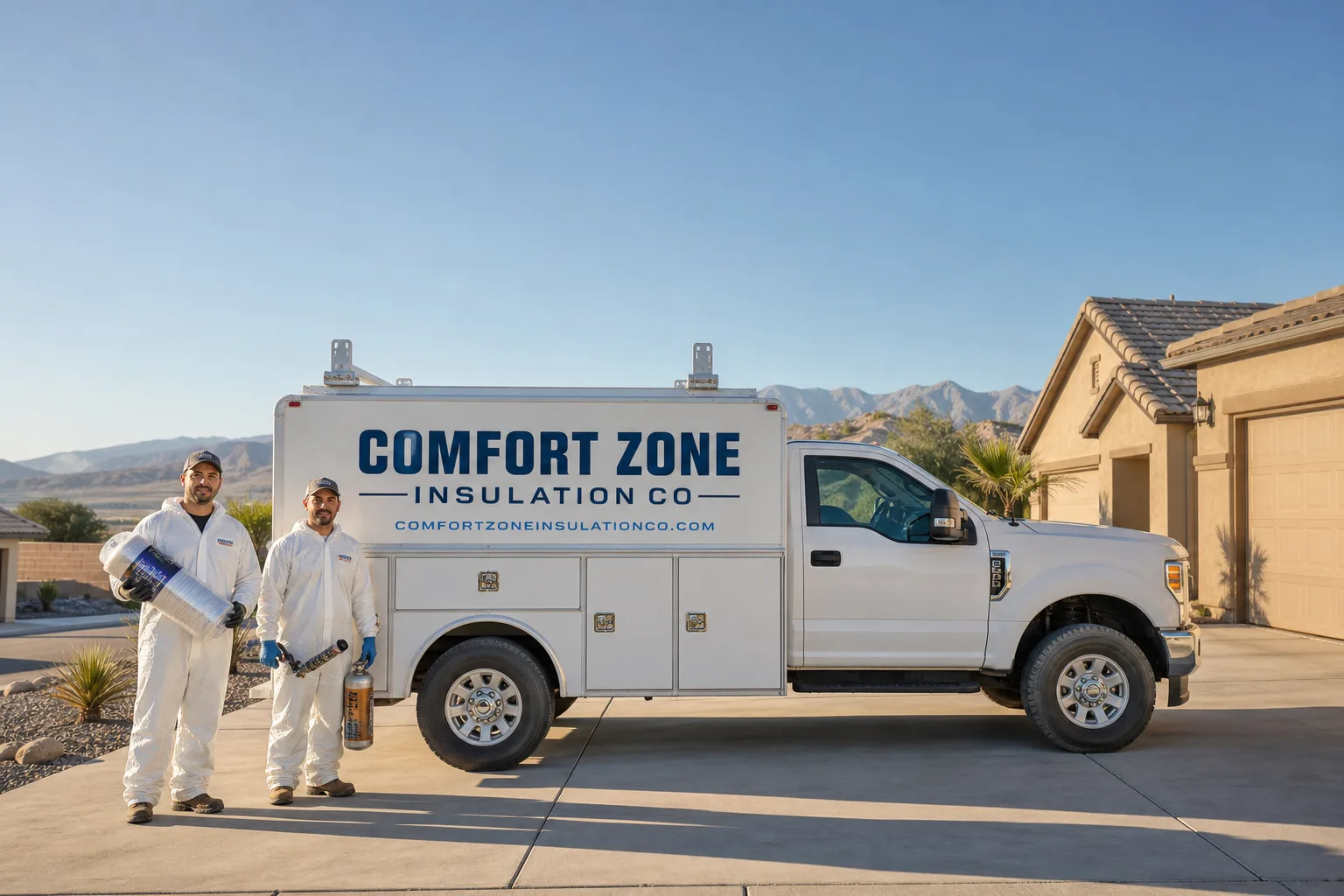
Fast, Reliable Attic Insulation Across March Air Force Base
Attic insulation in March Air Force Base isn’t a cosmetic upgrade. It’s the single most effective fix for homes that bake in the afternoon and never cool down at night. We work the March ARB and Moreno Valley edge constantly, and the pattern is the same: mid-century housing with original insulation that’s given up. If your front rooms hit 85°F by 3 p.m. while the thermostat says 74, the problem is almost always above you. Call (855) 341-7856 and we’ll diagnose it properly.
Most homes around the base were built between the 1950s and 1970s on tight military-spec budgets. That means minimal insulation from day one, and what went in has since settled, compacted, or blown around under decades of inland Riverside County heat. We’re an insulation-only contractor, so this is what we think about all day. Our Attic Insulation specialists know exactly what a 1960s stucco tract home off the base edge needs, because we’ve opened hundreds of them.
Why Comfort Zone Insulation Co Is March Air Force Base’s Preferred Attic Insulation Company
We install insulation and nothing else. That focus matters in March Air Force Base because the housing stock here has a specific failure profile: settled batts, compacted loose fill, missing air sealing, and attics that turn into ovens by early afternoon. A general contractor who insulates a few attics a month won’t catch what we catch on every job. The right material for your specific situation is the whole point of what we do.
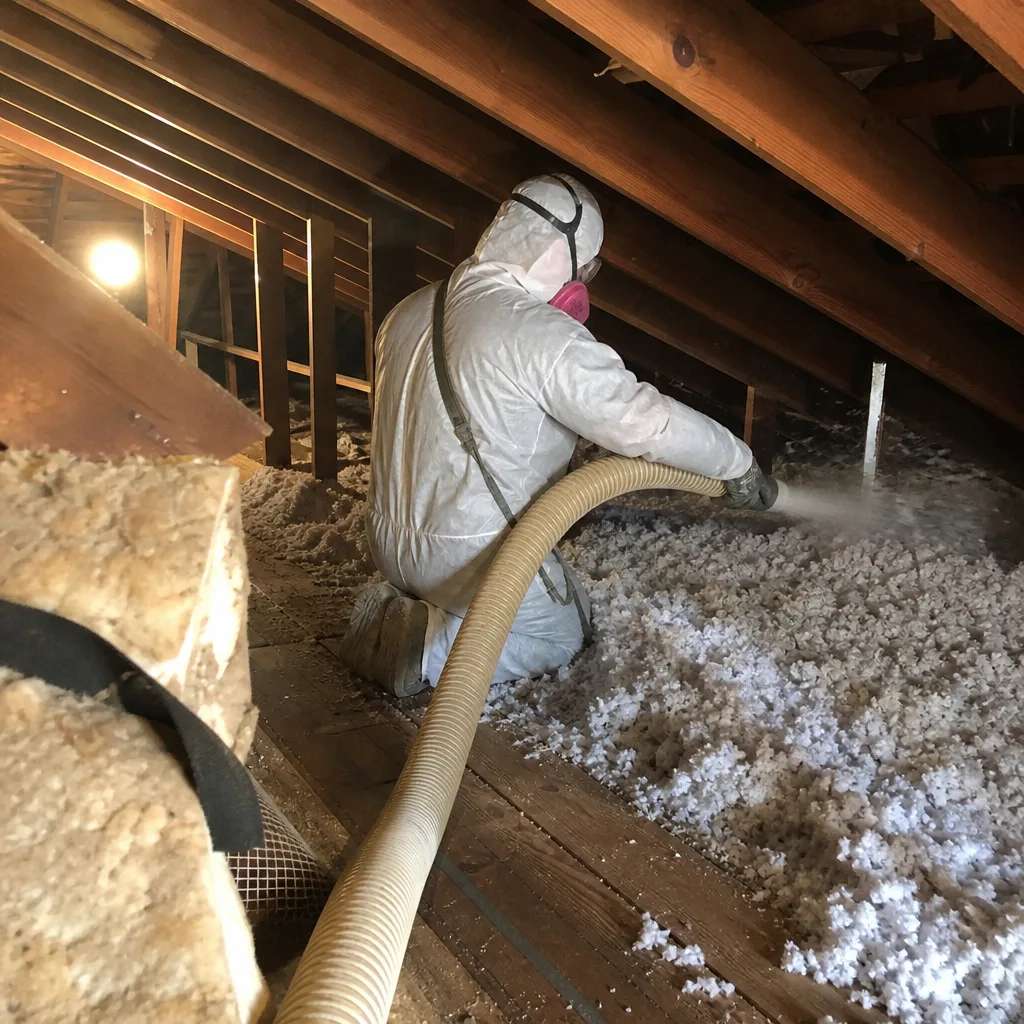
Noel Carrasco leads our crew, and he’s built the company around the idea that your home should hold the temperature you set. We carry eight leading brands so you’re not limited to whatever we happened to order this week. For March ARB retrofits, that usually means GreenFiber blown-in cellulose for R-value and fire resistance, or Rockwool when homeowners want mineral wool’s added sound deadening between units and rooms. We respond to March Air Force Base callouts in under an hour on most days because we’re based nearby and the retrofitting rhythm here is second nature.
Attic Cleaning Services in March Air Force Base
Attic Cleaning Services in March Air Force Base matter more than in newer communities because these attics have had 50 to 70 years to collect rodent debris, dust, and the fine silt that inland winds push through every eave gap. Before we blow new insulation, the space underneath has to be clean. Loose fill that’s rodent-soiled or full of debris can’t stay, and new insulation over old problems just seals them in. A typical attic cleaning in the 92551 area runs $400 – $900 depending on attic size and how much has to be bagged out.
What a Cleaning Removes
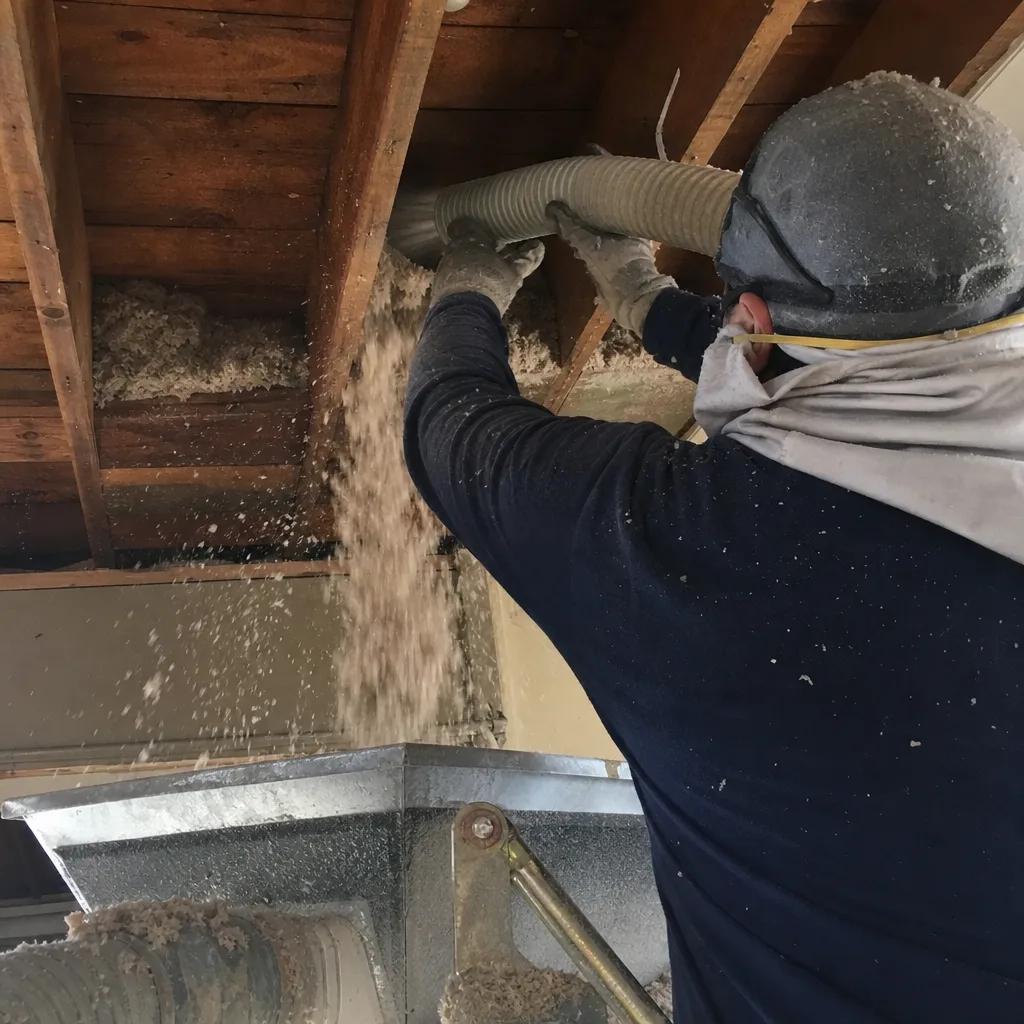
We vacuum out old loose fill, bag it, and remove any debris, nesting material, or contamination from the attic floor and joists. In March ARB homes we regularly find old batt scraps mixed with rodent signs and decades of dust. The cleaning leaves the attic shell ready for whatever comes next.
When You Need It Before Insulation
If your attic has any history of rodent activity, water staining, or just hasn’t been touched since the house went up, cleaning comes first. Blowing fresh insulation over contaminated material wastes the investment. We’ll tell you honestly if your attic needs a full clean or just a targeted spot treatment before the new insulation goes in.
What happens when you call
- 1
A real person answersNo phone trees — you reach a local pro.
- 2
You get an upfront price rangeHonest numbers before anyone is dispatched.
- 3
A background-checked tech heads outLicensed & insured, dispatched right away.
- 4
You approve before work beginsNothing starts until you say go.
Attic Mold Removal in March Air Force Base
Attic Mold Removal in March Air Force Base is a frequent request on older military-spec homes because the original venting was often marginal and any roof leak or bathroom fan vented into the attic breeds mold fast in this heat. The hot, still air in a March ARB attic accelerates microbial growth once moisture is present. We remove mold at the source by pulling contaminated insulation, treating affected framing, and correcting the moisture path that caused it. Typical mold removal ranges $1,200 – $3,800 depending on attic square footage and how far the growth has spread across the sheathing.
Correcting the Cause, Not Just the Stain
Spraying a stain is not mold removal. We remove the contaminated material and treat the framing, then check the ventilation and any bathroom or kitchen exhaust that might be dumping moisture into the attic. In 1960s tracts around the base, exhaust fans vented directly into the attic were common, and that single mistake keeps mold coming back until it’s fixed.
What a March ARB Mold Job Looks Like
Most mold here starts around the eaves where airflow is weakest, or directly above bathrooms on the ceiling sheathing. We cut out the affected insulation, treat the wood, and prep the attic for new insulation and better airflow. The goal is that the mold never has a reason to return.
Trusted Brands We Service in March Air Force Base
We’re authorized to install products from Johns Manville, Knauf, Rockwool, and CertainTeed, alongside four other industry lines. For March Air Force Base retrofits, that brand access means we can match the product to your attic’s actual condition rather than selling whatever we have in the warehouse. Rockwool works well in attached older homes where sound travels through ceiling joists, and CertainTeed fiberglass gives a clean, consistent option when cellulose isn’t the right call. We keep common retrofit materials stocked locally so March ARB jobs move fast once the diagnosis is done.
Common Attic Insulation Problems We See in March Air Force Base Homes
- Settled loose fill measuring R-8 or less. The original 1960s fill compacts under decades of heat, leaving ceilings with almost no thermal barrier and rooms that spike by mid-afternoon.
- Radiant heat gain through under-insulated ceilings. When attic temps climb past 140°F, that heat radiates straight down through thin insulation and overpowers aging HVAC Air Force housing here was never sized for.
- Missing air sealing at top plates and penetrations. The stucco and wood-frame construction typical of base-era builds has gaps where hot attic air and dust migrate into the living space, especially around can lights and wiring chases.
- Degraded batts slumped between joists. In many 1950s-70s homes, the original fiberglass batts have fallen away from the ceiling drywall, creating uninsulated channels across whole rooms.
Pricing for Attic Insulation in March Air Force Base, CA
Attic insulation in March Air Force Base typically falls between $1,800 and $4,200 for a full retrofit on a standard single-story tract home, including air sealing and new blown-in insulation to meet current code. A top-up over existing, reasonably sound insulation runs $900 – $1,600, and batt insulation for accessible attics runs $2,200 – $4,800 depending on square footage and access. Attic baffles and ventilation prep add roughly $300 – $800 when the existing venting won’t support the new insulation depth. The biggest cost drivers here are attic size, how much old material has to be removed, and whether skylights or vaulted sections complicate the work. Call (855) 341-7856 for a specific quote, estimates are free and we’ll walk the attic with you.
We Also Serve Cities Near March Air Force Base
Our crews cover the whole March ARB edge, including Moreno Valley, Woodcrest, Perris, and Good Hope. If you’re nearby and wondering whether your attic insulation is doing its job, the same Attic Insulation in March Air Force Base team handles the surrounding communities with the same brand access and same attic-first approach.
Serving March Air Force Base, CA — Our Local Coverage Area
We’re based in the March Air Force Base area and know this community well. Use the map below to see our service coverage — if you’re nearby, we can almost certainly help.
FAQs About Attic Insulation in March Air Force Base
The original insulation in 1950s-1970s base-era housing was thin to begin with, and after 50 to 70 years of inland Riverside County heat, loose fill compacts and batts slump. We routinely measure settled fill at R-8 or less in attics that originally had R-19 or more. The fix is a proper air seal and a blown-in retrofit, not just more insulation dumped on top.
Summer attic temps in the 92551 area regularly exceed 140°F on sunny afternoons. That heat radiates through thin or degraded insulation straight into living spaces, making ceilings hot to the touch and forcing HVAC systems to run constantly. Proper attic insulation and air sealing stop that radiant heat before it enters the conditioned rooms. Call (855) 341-7856 if your ceiling is warm in the late afternoon.
Most homes built before 1980 around the base benefit from cleaning before new insulation. Decades of dust, possible rodent contamination, and settled debris under old loose fill is common. Blowing new insulation over contaminated material seals problems in, so we recommend cleaning first when inspection shows significant debris or any rodent sign.
Yes, especially where bathroom exhaust fans vent into the attic or roof leaks have gone unaddressed. The still, hot air in a poorly vented March ARB attic accelerates mold growth once moisture is present. If you see staining on the sheathing or smell mustiness near the attic hatch, have it inspected before adding insulation.
We install Johns Manville, Knauf, Rockwool, and CertainTeed, along with four other manufacturer lines. For most retrofits here we recommend blown-in cellulose or fiberglass for coverage and air-sealing performance, with Rockwool chosen when fire resistance and sound attenuation are priorities. The right product depends on your attic’s condition and your home’s construction, not on what a contractor happens to stock.
If your home above the March ARB edge isn’t holding temperature, the fix is probably in the attic. Call (855) 341-7856 for a free estimate and we’ll inspect it properly, then install the product that fits.
Written by Noel Carrasco, Owner at Comfort Zone Insulation Co, serving March Air Force Base and the surrounding Riverside County communities with attic-first insulation diagnostics and retrofits.