Insulation Company in Morongo Valley, CA
Morongo Valley homes deal with a thermal reality that most California insulation contractors never see: 30 to 40 degree temperature swings between noon and midnight, spring winds that physically move attic insulation, and housing stock from the 1950s through 1980s that was often built with little to no original insulation. Blown in insulation is the most common retrofit we install here, because it fills the irregular cavities and mixed-depth attics typical of Morongo Valley’s rural homestead construction better than any batt product. If your rooms swing hot and cold with the sun, call Comfort Zone Insulation Co at (855) 341-7856. We’re insulation specialists, and we diagnose before we recommend.
Why Morongo Valley Homes Are Different
Morongo Valley sits in a thermal squeeze zone. The elevation at 2,600 to 3,000 feet in the Little San Bernardino Mountains means the daytime heat of the San Bernardino Valley reaches up here, but the cold high-desert air settles in at night. A home that’s comfortable at 3 p.m. can be 15 degrees colder by 9 p.m., and insulation is the only thing standing between that swing and your heating bill. In summer, days run 95 to 100°F and beyond; in winter, nights drop into the 20s. Most homes here need assemblies rated for both heat gain and nighttime heat loss, not just one or the other.
Then there’s the housing stock. Much of Morongo Valley was built between the 1950s and 1980s as rural homestead construction: site-built homes, manufactured and mobile homes, and cabins. Many of those original builds went up with minimal insulation, if any. Over the decades, owners added insulation piecemeal, so we regularly open attics here and find six inches of old fiberglass in one bay, two inches of cellulose in the next, and bare spots over the bedrooms. Before topping up a Morongo Valley attic, you have to evaluate what’s actually there. That’s our standard process, and it changes the recommendation every time.
The wind is the third factor most flatland contractors miss. Spring wind events funnel through the Morongo Basin and over the Little San Bernardino range, pushing attic insulation away from vents or packing it against the west and north ends of the attic. Wind washing through soffit and gable vents degrades thermal performance even when the insulation depth looks adequate. In Morongo Valley, air sealing and wind-resistant insulation placement are not optional add-ons. They are the job.
Our Main Morongo Valley Services
Most Morongo Valley homeowners call us about one of two problems: heat building up in the house despite the AC running, or rooms that never hold temperature once the sun goes down. These two services address those issues directly.
Attic Insulation in Morongo Valley
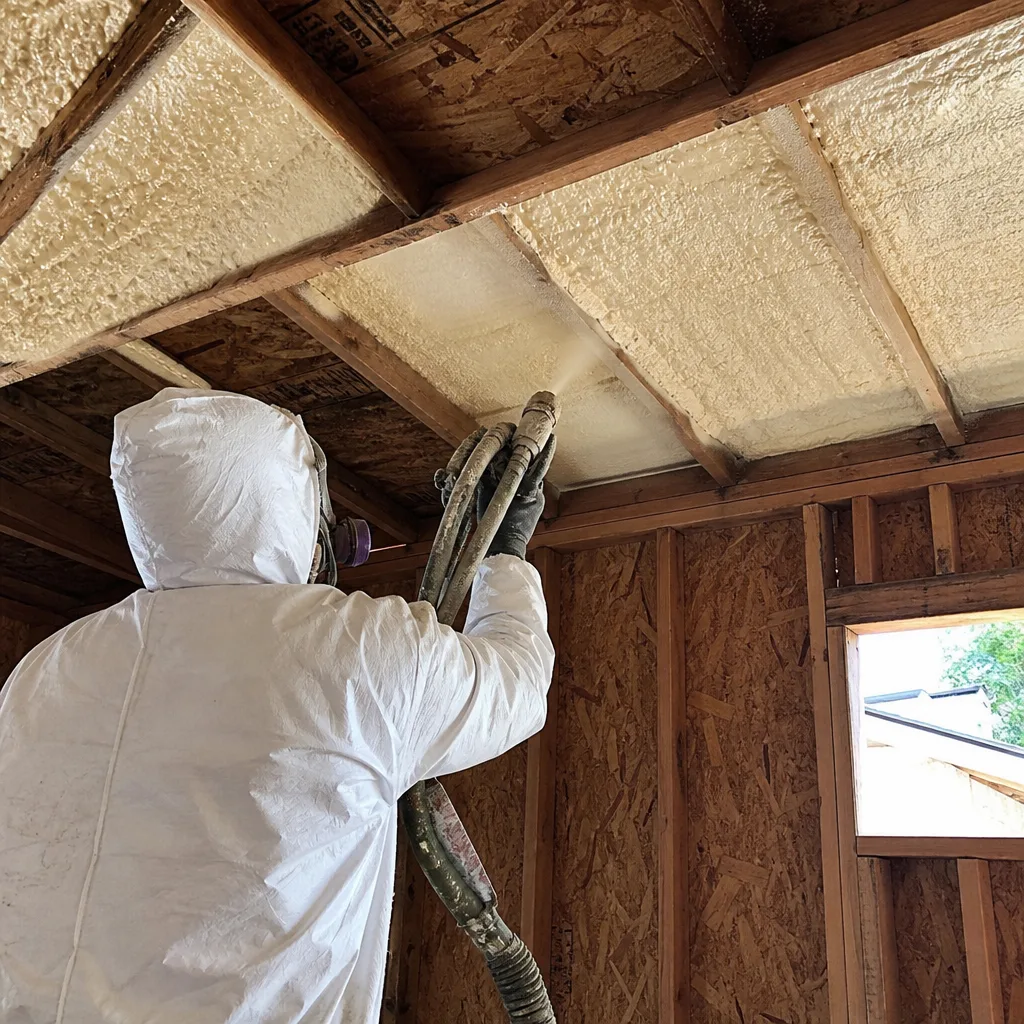
Your attic is where Morongo Valley’s temperature swings hit hardest. A poorly insulated attic lets summer heat radiate down through the ceiling all afternoon, then releases your heating dollars into the cold desert night. In many Morongo Valley homes, the attic contains old, compressed, or wind-displaced insulation that looked fine when it was installed 30 years ago. We start with an attic evaluation, check for air leaks and bypasses, then recommend the right material and depth for this climate. Some attics need air sealing before any new insulation goes in; skipping that step means paying for insulation the wind and stack effect will defeat. Attic Insulation in Morongo Valley is a dedicated service with us, not a side note, because we know it’s the highest-impact zone in most homes here.
Spray Foam Insulation in Morongo Valley
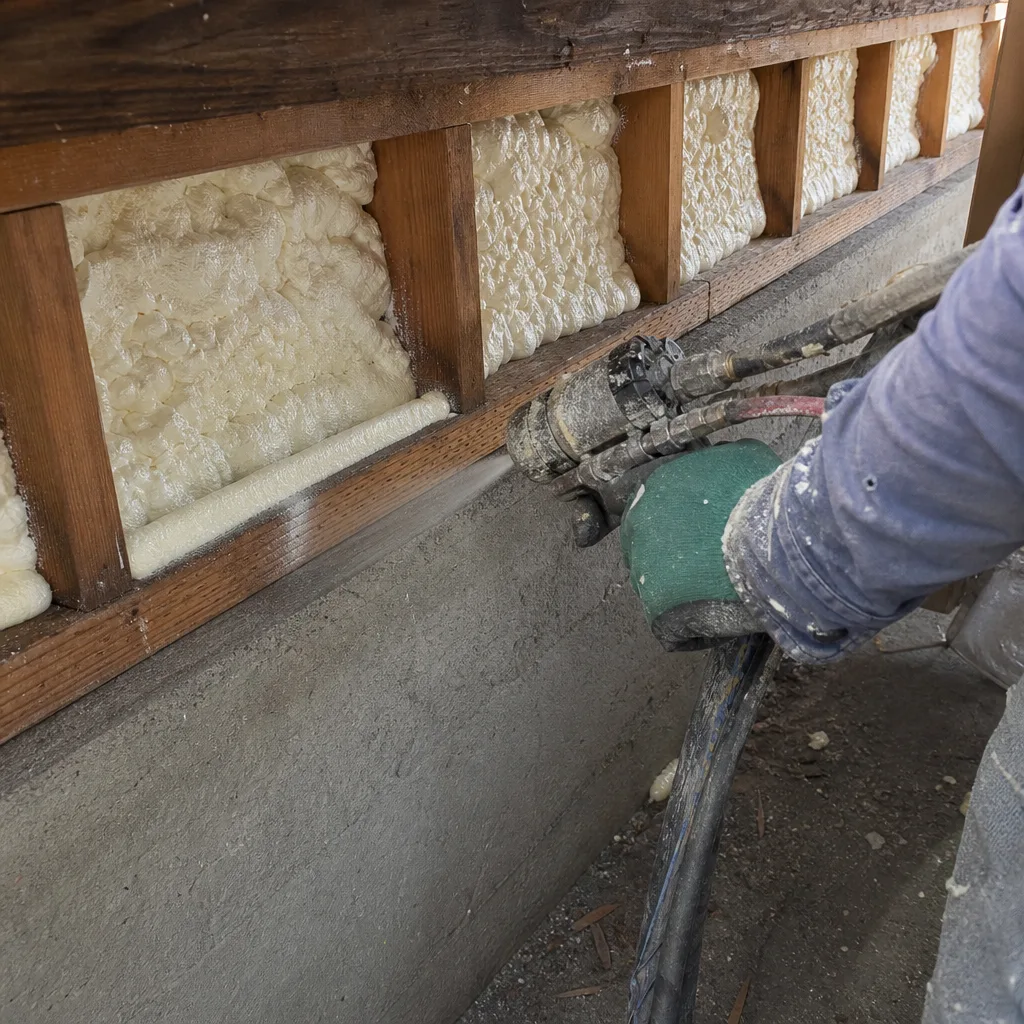
Spray foam answers a specific Morongo Valley problem: wind and air movement through wall cavities and rim joists. Fiber and cellulose slow heat transfer, but they don’t stop air from moving through your building envelope. In a climate where night temperatures drop 30 degrees below the daytime high, air movement is often the bigger comfort thief. Closed-cell foam also adds structural rigidity, which matters for older cabins and manufactured homes that flex in spring windstorms. We install Icynene and Demilec systems, two of the most recognized open- and closed-cell product lines in North America, and we select the cell structure based on what your home actually needs. See Spray Foam Insulation in Morongo Valley for the full breakdown.
What happens when you call
- 1
A real person answersNo phone trees — you reach a local pro.
- 2
You get an upfront price rangeHonest numbers before anyone is dispatched.
- 3
A background-checked tech heads outLicensed & insured, dispatched right away.
- 4
You approve before work beginsNothing starts until you say go.
Blown In Insulation in Morongo Valley
Blown in insulation is the workhorse retrofit for Morongo Valley’s housing stock, because it adapts to the irregular, mixed-depth cavities that are so common in 1950s to 1980s homestead construction. Loose fill flows into odd-shaped attic spaces, settles around obstructions, and reaches the corners where batts leave gaps, which matters when spring winds are actively exploiting every gap in your thermal envelope. We carry multiple blown-in material types through Blown In Insulation, so the recommendation follows the job, not the other way around.
Cellulose Insulation
Signs you need it
Your attic has thin or uneven coverage, you can see the tops of the ceiling joists, or your upstairs rooms run 10 degrees hotter than the rest of the house every afternoon.
What it costs in Morongo Valley
Blown-in cellulose for a typical Morongo Valley attic runs $1.50 to $3.50 per square foot installed, depending on depth and access.
How we do it
We run a hose from the truck through the attic access, check existing conditions and venting, then blow to the target R-value depth, keeping the material out of soffit vents and off any recessed light housings that aren’t rated for insulation contact.
Blown In Attic Insulation
Signs you need it
After a Morongo Valley spring wind event, your attic insulation has visibly shifted, piled against the west or north end, or thinned near the vents.
What it costs in Morongo Valley
Blown-in attic insulation in Morongo Valley typically falls between $1.50 and $3.50 per square foot, with air sealing adding to the total when bypasses are present.
How we do it
We seal attic bypasses and penetrations first, then blow loose fill to the target depth, installing wind blocks and vent baffles where spring winds are known to push material around.
Loose Fill Insulation
Signs you need it
Your home has oddly shaped attic cavities, low-clearance areas, or you need insulation added around existing framing, ductwork, and wiring without disturbing the old material.
What it costs in Morongo Valley
Loose fill insulation jobs in Morongo Valley run $1.50 to $3.50 per square foot installed, and we quote by the square foot and target R-value, not by the bag.
How we do it
We assess existing depth and condition, then blow loose fill to a consistent, measured depth across the attic floor, keeping eave and soffit vents clear so your attic still breathes properly.
What Blown In Insulation Costs in Morongo Valley
| Item | Typical range in Morongo Valley |
|---|---|
| Blown-in cellulose | $1.50 – $3.50 per sq ft installed |
| Blown-in fiberglass | $1.50 – $3.50 per sq ft installed |
| Air sealing before blown-in (add-on) | $300 – $900 per job |
Does blown in insulation help with Morongo Valley’s temperature swings?
Yes. Blown in insulation slows the rate at which heat moves through your attic floor, which in a climate with 30 to 40 degree daily swings means your house holds its temperature longer instead of chasing the outside air. Most Morongo Valley homeowners notice the difference within the first day or two.
Is blown in insulation worth it in an older Morongo Valley home?
Almost always. Older Morongo Valley homes were typically under-insulated from the start, and decades of piecemeal upgrades leave gaps and inconsistencies. Blown in insulation is the fastest way to bring an irregular attic up to current R-value recommendations without tearing anything apart. Call (855) 341-7856 for a free estimate and we’ll tell you exactly what’s up there.
Brands We Service in Morongo Valley
Comfort Zone Insulation Co installs products from Owens Corning, Johns Manville, Knauf, and Rockwool, among our eight manufacturer partners. We stock the most common blown-in and batt materials for Morongo Valley jobs locally, and anything specialized arrives within days. Learn more at our brands.
Pricing for Insulation Company in Morongo Valley, CA
| Service | Typical range in Morongo Valley |
|---|---|
| Blown-in attic insulation | $1.50 – $3.50 per sq ft installed |
| Blown-in cellulose | $1.50 – $3.50 per sq ft installed |
| Blown-in fiberglass | $1.50 – $3.50 per sq ft installed |
| Spray foam insulation (open-cell) | $2.00 – $4.00 per sq ft |
| Spray foam insulation (closed-cell) | $3.50 – $6.00 per sq ft |
| Attic air sealing (before insulation) | $300 – $900 per job |
| Insulation removal | $1.00 – $3.00 per sq ft |
| Batt insulation installation | $0.80 – $2.50 per sq ft |
Morongo Valley prices push toward the upper end of these ranges when access is tight, when old insulation has to come out first, or when wind damage has already degraded the existing material. We quote upfront with a fixed price, so the number on your estimate is the number you pay.
Neighborhoods We Serve in Morongo Valley
We work throughout the 92256 ZIP code, from the central residential streets up into the hillside properties and the manufactured-home communities. Response time across the area is typically same-day or next-day, including emergency wind-damage calls after spring storms.
- Downtown Morongo Valley
- East Drive area
- Hillside cabins off Highway 62
- Manufactured home communities
- West Morongo Valley
Service Area – Cities Near Morongo Valley
Comfort Zone Insulation Co covers the Morongo Basin and surrounding desert communities. In addition to Morongo Valley, we regularly work in Desert Edge, CA, Garnet, CA, Desert Hot Springs, CA, and Yucca Valley, CA. If you’re anywhere in the basin, call us and we’ll let you know when we can be there.
Serving Morongo Valley, CA — Our Local Coverage Area
We’re based in the Morongo Valley area and know this community well. Use the map below to see our service coverage — if you’re nearby, we can almost certainly help.
FAQs About Insulation Company in Morongo Valley
We schedule most Morongo Valley jobs within a few days, and we keep same-day slots open for spring wind damage calls when insulation has shifted or been blown out of place. Call (855) 341-7856 in the morning and we’ll usually have a technician on site that day or the next.
Most retrofit insulation jobs in Morongo Valley don’t require a permit when the work is limited to adding material to existing cavities or attics that are already accessible. We handle the scope review for you and we’ll tell you upfront if anything on your specific property crosses into permit territory.
Yes. A large share of Morongo Valley’s housing stock is manufactured and mobile homes, and most of those were built with minimal insulation. We evaluate the underbelly, walls, and roof assembly separately, then recommend materials that work with the existing construction rather than forcing a site-built approach onto a mobile chassis. Call (855) 341-7856 for a free estimate.
If your Morongo Valley home runs hot in the afternoon and cold after dark, the fix is not another space heater or a bigger AC unit. It’s insulation that actually fits the house and the climate. Call Comfort Zone Insulation Co at (855) 341-7856 for a free estimate. We install insulation and nothing else, and we’ve served Morongo Valley since 2012.
What happens when you call
- 1A real person answersNo phone trees — talk to a local insulation pro.
- 2You get an upfront price rangeHonest numbers before anyone is dispatched. No surprises.
- 3A background-checked tech heads outLicensed & insured, typically within 1-hour.
- 4You approve before work beginsNothing starts until you say go.
What Morongo Valley Customers Say
"Attic was at maybe R-11 from the 1970s and blown in over the top would have just buried the problem. They removed the old material, air sealed the top plates and penetrations first, then blew in to R-49. The upstairs is a completely different house in August."
— Dustin Sullivan"Handled the utility rebate paperwork, which knocked a real amount off the final cost."
— Marco Morales"Told me the crawlspace didn't need doing and only the attic did. Half the job, half the money."
— Doug Barrett